

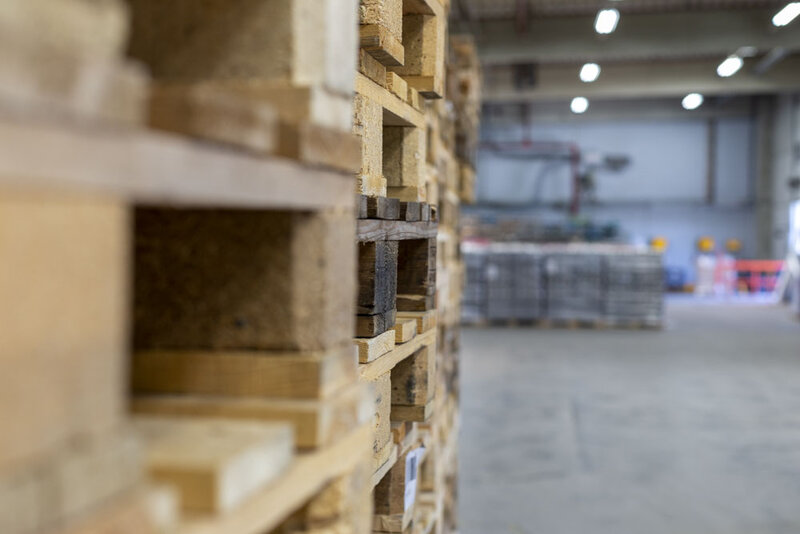
Around 90% of all pallets used for transporting goods in the German logistics industry are made of wood, making them THE standard load carrier. However, limited timber availability and growing demand for transport equipment are currently driving a significant increase in market prices. Here is an overview of the latest developments:
While the average price of a new Euro pallet was well below €8 at the beginning of the year, logistics providers have faced substantial price increases since spring 2021, with the same product costing more than €20 in recent months. This represents a rise of around 150%.
The main reason for this development is the restricted availability of sawn timber. Meanwhile, demand for pallets as an essential shipping and handling unit continues to grow. Consequently, procurement costs have increased significantly, particularly for higher-grade pallets. Limited availability is also leading to longer transport distances and more complex planning for the repositioning of empty pallets.
These developments are prompting many companies to keep pallets in circulation for longer or to increase their safety stocks. Consequently, the average quality of standard pallets is declining, free pallet capacity is becoming scarcer, and the need for repairs as well as administrative effort is increasing.
Currently, it is difficult to predict how the pallet market and price levels will develop in the coming months.
In response to these developments, the Noerpel Group has introduced a variety of measures in recent months to ensure the continued availability of Euro pallets for customers and to maintain consistently high transport standards. However, logistics providers alone cannot absorb the additional financial burden created by these external market conditions. The Noerpel Group is therefore committed to working together with our customers and partners to find the best possible solution that reflects current market realities while ensuring reliable logistics operations.